
Top-Rated Products For Kitchen Flooring Installations To Elevate Your Decor
Browse through popular flooring options that offer style, durability, and ease of maintenance for your kitchen space.
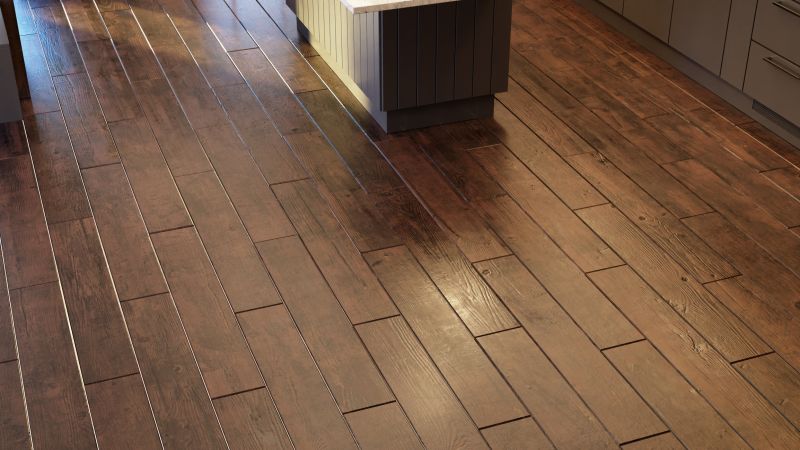 Selecting the right products for kitchen flooring installations involves understanding the variety of materials available and their suitability for different needs and preferences. From durable options designed to withstand heavy foot traffic and moisture exposure to aesthetic choices that complement various interior styles, there is a broad spectrum of products to consider. Proper installation is crucial to ensure longevity and safety, making it important to choose compatible flooring materials and accessories. Additionally, the installation process can vary significantly depending on the type of flooring selected, requiring specific tools, underlayment, and adhesives.
Top Overall Option
Versatile Interlocking Floor Tiles
Interlocking floor tiles offer a flexible and user-friendly solution for kitchen flooring. They are easy to install without adhesives, making them suitable for DIY projects, and can be easily replaced if damaged. Available in a variety of materials such as vinyl, rubber, or laminate, these tiles provide options for durability and comfort. Their modular design allows for creative patterns and quick updates, making them a popular choice for those seeking a customizable and straightforward installation process.
Types of Products For Kitchen Flooring Installations
Vinyl Plank Flooring
Vinyl planks mimic the look of hardwood with added water resistance and ease of installation, suitable for busy kitchens.
Ceramic Tiles
Ceramic tiles provide a durable, water-resistant surface with a wide range of styles and colors to choose from.
Porcelain Tiles
Porcelain tiles are a dense, hard-wearing option that offers excellent water resistance and longevity.
Laminate Flooring
Laminate flooring offers a wood-like appearance with easier installation and maintenance, ideal for budget-conscious projects.
Engineered Hardwood
Engineered hardwood combines the beauty of real wood with enhanced stability and moisture resistance.
Luxury Vinyl Tile (LVT)
LVT provides a high-end look with resilient wear layers, suitable for high-traffic kitchen areas.
Cork Flooring
Cork offers a soft, cushioned surface that is comfortable underfoot and provides some sound insulation.
Rubber Flooring
Rubber flooring is slip-resistant and shock-absorbent, making it a practical choice for safety.
Bamboo Flooring
Bamboo is a sustainable, durable option with a distinctive look that can add warmth to kitchen spaces.
Sheet Vinyl
Sheet vinyl provides seamless coverage, reducing gaps and potential water infiltration.
Concrete Coatings
Concrete overlays or coatings can be customized with colors and textures for a modern, industrial aesthetic.
Peel-and-Stick Tiles
Peel-and-stick tiles are an easy, affordable option for quick updates or small areas.
Popular Choices
Vinyl sheet flooring remains popular for its affordability, water resistance, and ease of installation.
Porcelain subway tiles are favored for their classic look and durability in kitchen settings.
Luxury vinyl plank offers a realistic wood appearance with high resilience, making it a trending choice.
Cork tiles are appreciated for their comfort and sound absorption qualities in busy kitchens.
Rectified ceramic tiles provide a sleek, modern look with minimal grout lines for a seamless appearance.
Engineered hardwood remains popular for its authentic look combined with stability in moisture-prone areas.
Rubber flooring options are commonly used in kitchens for safety and comfort underfoot.
Peel-and-stick vinyl tiles are trending for quick, DIY-friendly kitchen updates.
Bamboo flooring continues to grow in popularity for its sustainability and distinctive appearance.
Concrete-inspired coatings are increasingly used for a modern, industrial kitchen aesthetic.
Textured laminate flooring offers a realistic wood grain look with added slip resistance.
When planning a kitchen flooring upgrade, assessing factors such as slip resistance, ease of cleaning, and resistance to stains and water is essential. Many products come with features tailored to these requirements, offering peace of mind for busy households. The installation process itself may involve subfloor preparation, precise measurements, and sometimes professional assistance, especially for complex or large-scale projects. Understanding the characteristics of each product type can help homeowners and contractors make informed decisions that align with their budget, style preferences, and functional needs.
Furthermore, considering the long-term maintenance and potential for repairs is important when selecting flooring products. Some materials may require specific cleaning agents or periodic sealing, while others are more maintenance-free. Compatibility with underfloor heating systems or soundproofing needs can also influence the choice of flooring. By carefully evaluating these aspects, users can select products that not only meet their immediate aesthetic desires but also deliver reliable performance over time. Properly matched products and accessories contribute to a seamless installation process and a durable, attractive kitchen floor that enhances the overall space.
Key Buying Considerations
- Water resistance and moisture barriers are essential for kitchen environments.
- Slip resistance features can enhance safety, especially in wet areas.
- Ease of cleaning and maintenance should match your lifestyle and cleaning preferences.
- Durability and wear layers impact longevity, particularly in high-traffic zones.
- Installation method (DIY or professional) influences product choice and overall cost.
- Compatibility with underfloor heating systems may affect material selection.
- Aesthetic style and color options should complement your kitchen design.
- Sound absorption properties can reduce noise from foot traffic and appliances.
- Cost and budget constraints are important factors in narrowing choices.
- Environmental factors such as expansion, contraction, and stability should be considered based on climate.
- Subfloor condition and preparation requirements can impact installation complexity.
- Availability of matching accessories like trims, transitions, and underlayment simplifies installation.
- Long-term maintenance needs and potential repairs should be factored into decision-making.
- Sample testing or visual mockups can help visualize the final look before committing.