Choosing the Right Wood Species for Hardwood Floors Installation
People searching for hardwood floor installation often seek help from local contractors who can guide them in choosing the right wood species for their project.
Choosing the right wood species for hardwood floors installation is an important step that can influence the overall look, durability, and longevity of the finished floor. Property owners in the area often explore this topic to ensure their new flooring complements their space and withstands daily wear and tear. Whether planning a renovation or a new build, understanding the unique characteristics of different wood types helps make informed decisions, and local contractors are well-equipped to guide homeowners through this process.
As you consider options for your hardwood flooring, it’s helpful to learn about the practical differences between various wood species and how they align with your lifestyle and aesthetic preferences. Experienced service providers in the area can assist in selecting the best materials and handling the installation with precision, ensuring your floors look great and last for years to come. Keep reading to discover key factors to consider when choosing the right wood species for your project.
- homeowners considering the durability and appearance of different wood species can rely on local contractors to recommend suitable options for their specific space. - those planning hardwood floor installation in high-traffic areas may seek local service providers experienced in selecting resilient wood types. - individuals wanting to match new floors with existing decor or furniture often turn to local pros for advice on the best wood species to complement their style. - clients with specific maintenance preferences can work with local contractors to choose wood species that align with their desired upkeep routine. - property owners renovating historic or unique spaces may contact local service providers to identify authentic or appropriate wood options for their floors.

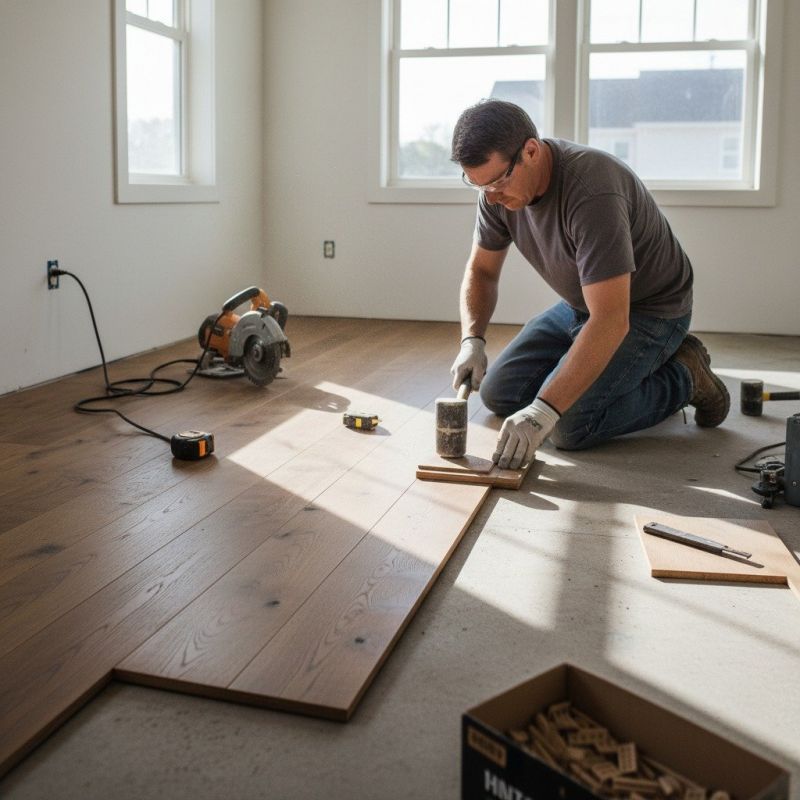
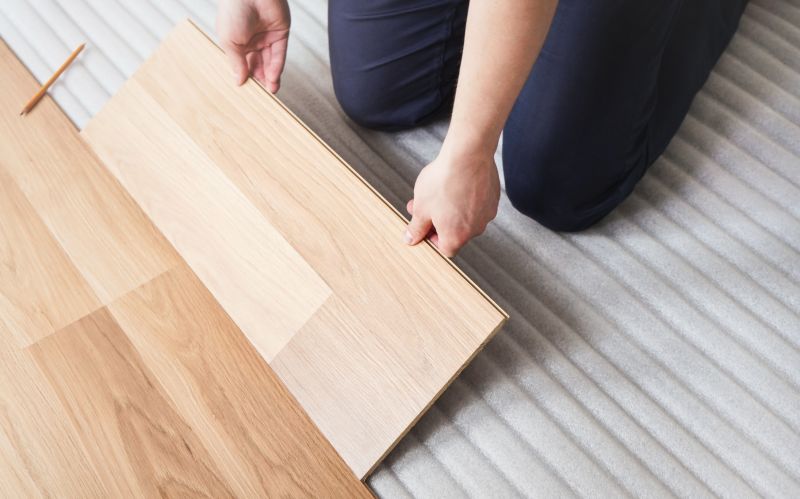
When people search for information about choosing the right wood species for hardwood floors installation, they are often trying to understand which types of wood are best suited for their specific space and aesthetic preferences. This topic typically comes up when homeowners are planning a new flooring project or considering replacing existing floors. They may be concerned about how different wood species will look, how durable they are, and how well they will stand up to daily wear and tear. Understanding these factors helps ensure that the final choice aligns with both the visual style of the property and its functional needs, making it a key step in planning a successful flooring upgrade.
This subject relates closely to various property considerations, including residential homes, commercial spaces, and even rental properties. Homeowners might want a warm, inviting look for living rooms or bedrooms, while business owners could prioritize durability for high-traffic areas. The choice of wood species also ties into plans for specific finishes, such as staining or sealing, which can enhance the appearance and longevity of the floors. Additionally, those remodeling or building new properties often need to weigh how different woods will complement existing decor or architectural styles, ensuring the flooring integrates seamlessly into the overall design.
Problems frequently arise when property owners are unsure about which wood species will perform best in their environment. For example, some woods are more resistant to scratches, dents, or moisture, making them better suited for active households or humid climates. Others may require more maintenance or be prone to fading over time. Property types such as beach houses, urban apartments, or countryside homes each have unique considerations that influence the selection process. Homeowners often seek guidance to avoid costly mistakes and to find local service providers who can recommend and install the right type of hardwood flooring that matches their property's specific needs.
Choosing the right wood species for hardwood floors installation is a decision that involves balancing aesthetics, durability, and maintenance requirements. Many property owners turn to local contractors and flooring specialists who can provide expert advice tailored to their property's characteristics and usage patterns. These professionals can help interpret the technical differences between wood types and suggest the best options based on the environment and the homeowner’s preferences. Connecting with experienced service providers ensures that the chosen wood species will not only look great but also perform well over time, making the entire flooring project a successful investment.
Flooring Renovation Projects - projects that involve replacing or refurbishing existing floors often require careful planning of wood species to match the new installation with the current decor.
Custom Woodwork and Carpentry - carpentry projects that include built-in features or custom moldings can benefit from understanding wood characteristics relevant to flooring choices.
Subfloor Preparation and Leveling - proper subfloor work is essential for hardwood floor installation and requires coordination with local contractors experienced in floor prep techniques.
Interior Remodeling and Renovation - remodeling projects often include new flooring, where selecting the right wood species ensures durability and aesthetic harmony with the space.
Decking and Outdoor Wood Installations - outdoor wood projects share similar material considerations, and local service providers can advise on suitable species for both indoor and outdoor applications.
Flooring Repair and Refinishing - repairing damaged hardwood floors involves matching existing wood species, which local pros can help identify and source for seamless results.
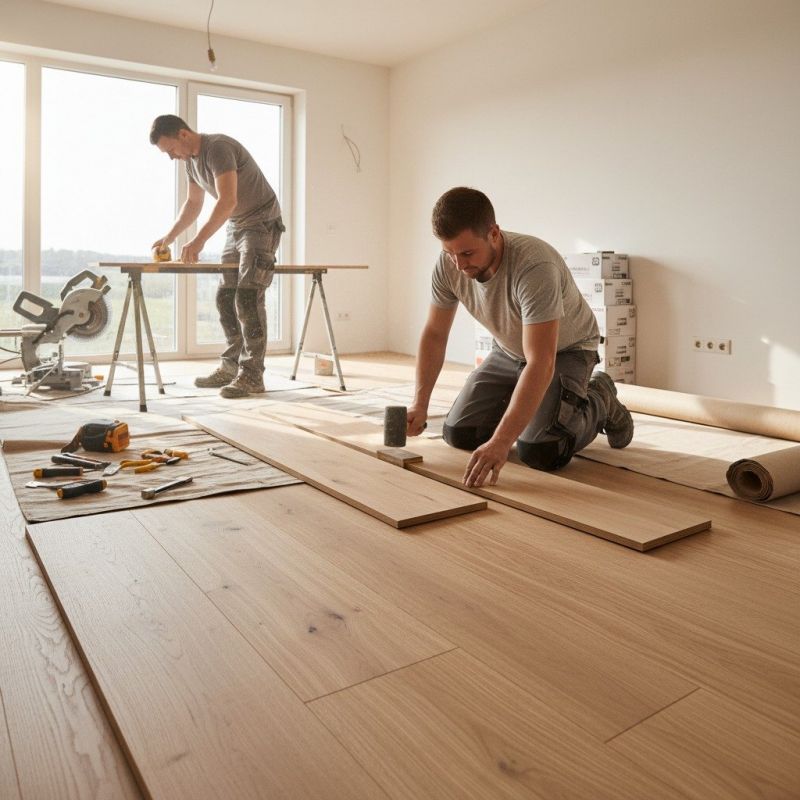
When evaluating local contractors for hardwood floor installation, it is important to consider their experience with similar projects, particularly those involving the selection and installation of specific wood species. Contractors who have successfully handled comparable jobs are more likely to understand the nuances of different wood types, including their durability, appearance, and suitability for various environments. This experience can influence the quality of the installation and the long-term performance of the floors, making it a key factor when comparing service providers.
Clear written expectations are essential to ensure that both the homeowner and the contractor are aligned on the scope of work, materials, and finishes involved in choosing the right wood species for hardwood floors installation. Reputable local contractors typically provide detailed proposals or project outlines that specify the types of wood available, installation techniques, and any additional considerations. Having this information in writing helps prevent misunderstandings and ensures that the homeowner can make an informed decision based on their preferences and needs.
Good communication and reputable references are valuable indicators of a reliable service provider. Local contractors who communicate clearly and respond promptly to questions demonstrate professionalism and a commitment to customer satisfaction. Additionally, seeking references or reviews from previous clients can provide insights into the contractor’s ability to deliver quality results, especially in projects involving specific wood species. These references can help homeowners gauge the contractor’s expertise, reliability, and overall approach to hardwood floor installation, making it easier to select a service provider that aligns with their project goals.
Property owners often search for choosing the right wood species for hardwood floors installation when they are planning practical projects around their homes and businesses. Local pros provide Hardwood Floor Installation services for everyday jobs and straightforward project options.
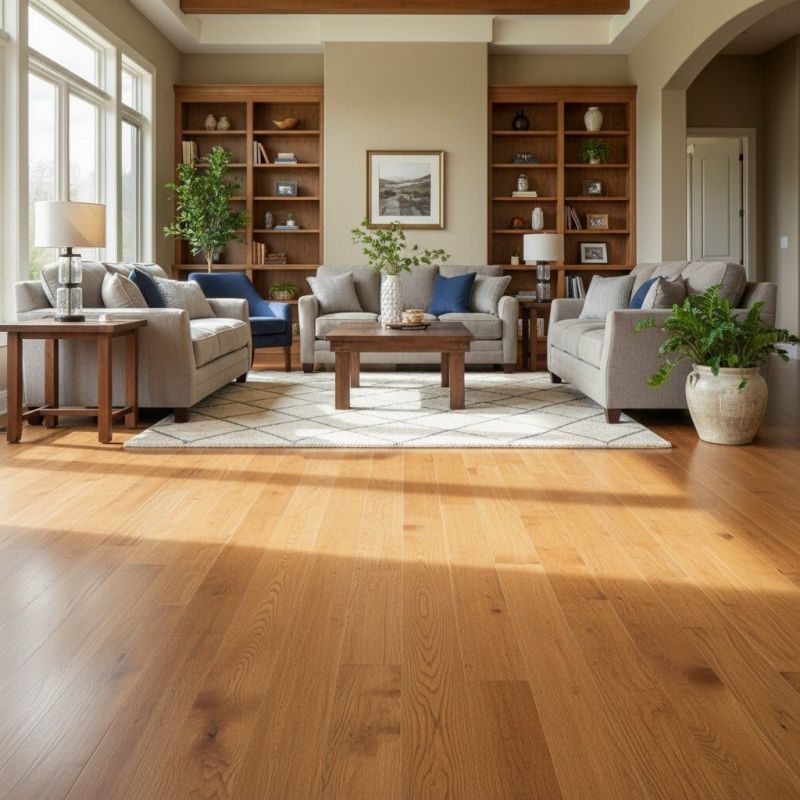
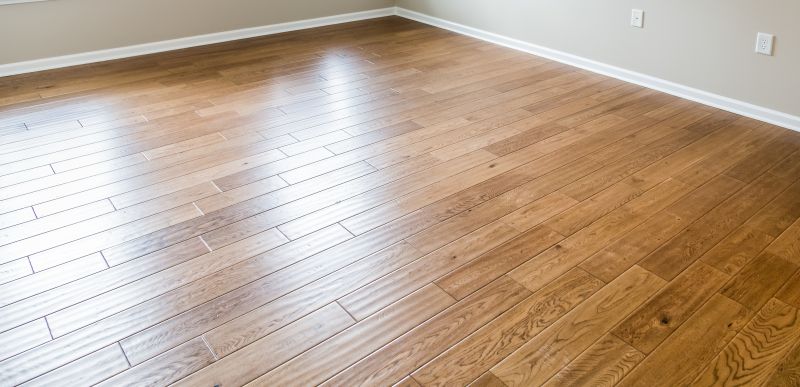
When considering hardwood floor installation, property owners often look into choosing the right wood species to ensure the finished look matches their style and the demands of their space. Different woods vary in hardness, color, grain pattern, and overall durability, making it important to select a species that aligns with daily foot traffic and aesthetic preferences. Homeowners in the area might seek guidance from local contractors to understand which options will withstand wear over time while maintaining a beautiful appearance, especially in busy areas like entryways, kitchens, or family rooms.
Local service providers can assist property owners in evaluating their specific needs when choosing the right wood species for hardwood floors installation. Whether prioritizing resistance to scratches, color consistency, or ease of maintenance, experienced local contractors can recommend suitable options based on lifestyle and environment. Connecting with these professionals can help ensure the chosen wood enhances the property's value and longevity, making the decision process more straightforward and tailored to individual preferences.
What factors should be considered when choosing a wood species for hardwood floors installation? Factors such as durability, appearance, and how the wood reacts to moisture are important. Local contractors can help evaluate these aspects based on the specific environment and usage of the space.
How does wood hardness influence the selection process for hardwood flooring? Hardness determines how well the wood withstands daily wear and tear. Service providers can recommend species with appropriate hardness levels to match the expected foot traffic and activity in the area.
Are certain wood species better suited for specific interior styles or preferences? Yes, some species offer distinct colors and grain patterns that complement various interior designs. Local flooring experts can advise on options that align with the aesthetic goals of the space.
What impact does climate or humidity have on choosing a wood species for flooring? Climate and humidity can affect wood expansion and contraction. Experienced contractors can suggest species that perform well under local environmental conditions, reducing potential issues over time.
How can local flooring service providers assist in selecting the right wood species for a project? They can assess the space, discuss preferences, and recommend suitable wood options based on durability, appearance, and environmental factors, ensuring the chosen species fits the installation needs.
Assessing durability needs - Property owners can evaluate the wear and tear in different areas of their home to help local contractors recommend suitable wood species for hardwood floors installation.
Matching wood tones with decor - Choosing a wood species that complements existing interior design elements can enhance the overall aesthetic when working with local service providers.
Considering moisture levels - Homeowners can identify areas prone to moisture or humidity and consult local pros on selecting wood species that resist warping and damage.
Evaluating maintenance requirements - Property owners can think about their lifestyle and maintenance preferences to select a wood species that aligns with their upkeep expectations when hiring local contractors.
If you are thinking about choosing the right wood species for hardwood floors installation for a property, this guide is meant to help you understand this topic, the typical project types, and how different options might fit your plans.
When you are ready, you can use the quote form on this page to share a few details about your project. From there, local pros can review the basics and follow up with options that match what you have in mind.