Common Mistakes Homeowners Make With DIY Hardwood Floor Installation
Homeowners seeking to avoid common mistakes with DIY hardwood floor installation can benefit from local contractors who specialize in proper preparation, installation, and finishing.
Homeowners considering a DIY hardwood floor installation often face common pitfalls that can impact the final look and durability of their floors. If you're exploring this project, you're in the right place to learn about some of the most frequent mistakes and how they can be avoided. Many property owners in the area opt to work with local contractors who bring experience and skill to ensure the job is done correctly the first time, saving time and potential frustration. Keep reading to discover practical insights that can help you make informed decisions and understand how professional services can support your flooring goals.
Understanding these common mistakes can also shed light on the value of partnering with local service providers for hardwood floor installation. Whether it’s choosing the right materials, preparing the subfloor properly, or ensuring precise measurements, experienced contractors can help prevent costly errors. This knowledge can empower property owners to weigh their options carefully and recognize when professional assistance might be the best choice for achieving a high-quality, long-lasting result. Continue exploring to find out how local experts can help turn your hardwood flooring project into a success.
- Hardwood Floor Installation - homeowners considering this project often overlook proper subfloor preparation, which local contractors address by ensuring a stable foundation.
- Hardwood Floor Installation - those attempting DIY installation may neglect acclimating the wood to indoor conditions, a step local service providers handle to prevent future gaps or warping.
- Hardwood Floor Installation - inexperienced homeowners might install flooring without proper expansion gaps, which local pros account for to avoid buckling or uneven surfaces.
- Hardwood Floor Installation - DIY efforts sometimes skip correct nail or staple placement, but local contractors follow best practices to secure the flooring properly and prevent squeaks.
- Hardwood Floor Installation - individuals may fail to finish the installation with appropriate sealing or finishing, a task local pros perform to enhance durability and appearance.

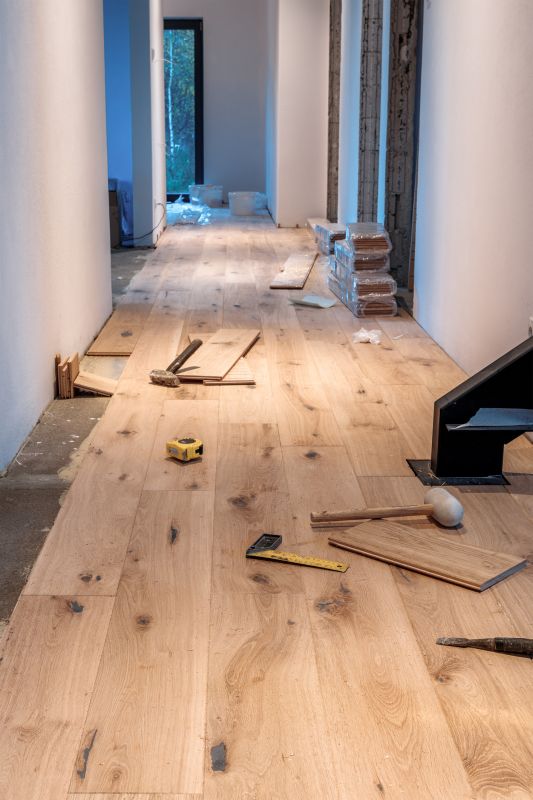
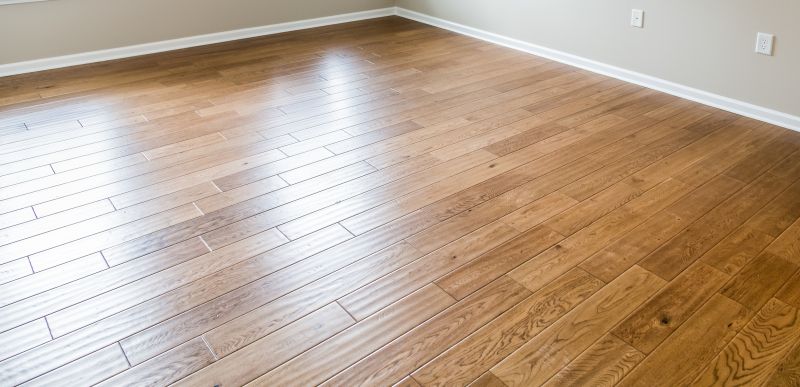
When homeowners search for information about common mistakes they make with DIY hardwood floor installation, they often want to understand the typical pitfalls that can arise during a project. This topic relates to planning a flooring upgrade, tackling an existing space, or starting a renovation in a home’s living room, hallway, or even a basement. Many property owners aim to improve the aesthetic and value of their homes, but without proper knowledge or experience, mistakes can lead to uneven surfaces, gaps, or damaged flooring. These errors can be costly and time-consuming to fix, which is why understanding the common issues helps homeowners decide whether to proceed with DIY efforts or seek professional help.
The types of problems associated with DIY hardwood floor installation frequently involve misjudging the materials or the space itself. For example, homeowners might underestimate the importance of proper subfloor preparation, which can cause squeaking or unevenness over time. Others may neglect to acclimate the wood properly before installation, leading to warping or gaps as the wood expands or contracts. These issues are often linked to plans that overlook the specific conditions of the property-such as moisture levels, room size, or existing flooring. Homeowners working on properties that have irregular layouts, older structures, or varying humidity levels need to be especially cautious, as these factors can complicate installation and increase the risk of mistakes.
Properties that typically come up in discussions about DIY hardwood floor installation include both residential homes and smaller commercial spaces. Single-family houses, especially those with multiple levels or older foundations, often present unique challenges that can trip up DIY efforts. Apartments or condominiums with limited access may also complicate material delivery and storage, making proper planning essential. Additionally, properties with existing uneven subfloors or moisture issues require specialized attention to prevent future problems. For these reasons, many property owners find that enlisting local contractors with experience in hardwood flooring can help avoid common mistakes, ensuring the finished product is both durable and visually appealing.
Understanding how local service providers fit into the process can help homeowners make informed decisions about their project. While DIY installation might seem straightforward, it often involves technical skills that are easy to overlook. Local pros bring expertise in assessing the specific conditions of a property, selecting the right materials, and executing precise installation techniques. They can identify potential issues early-such as moisture problems or subfloor imperfections-and recommend solutions that might be missed in a DIY approach. Connecting with experienced hardwood floor installation contractors allows homeowners to avoid common mistakes, achieve a professional finish, and enjoy a long-lasting, attractive hardwood floor that enhances their property’s value and comfort.
Subfloor Preparation Projects - proper subfloor preparation is essential for hardwood flooring and shares skills with other flooring or tiling projects that require a stable, level surface.
Flooring Demolition and Removal - safely removing old flooring involves similar tools and planning as hardwood installation, helping prevent damage and ensuring a clean workspace.
Underlayment Installation - laying underlayment for hardwood floors involves precise measurement and material handling, skills applicable to various flooring upgrades and repairs.
Measuring and Layout Projects - accurate measurement and layout planning are critical in hardwood installation and are also used in custom carpentry or renovation work.
Baseboard and Trim Installation - installing baseboards and trim requires attention to detail and tools that are also used in hardwood flooring projects for a finished look.
Floor Finishing and Sanding - finishing hardwood floors involves sanding and finishing techniques that are similar to those used in refinishing or restoring other wood surfaces.
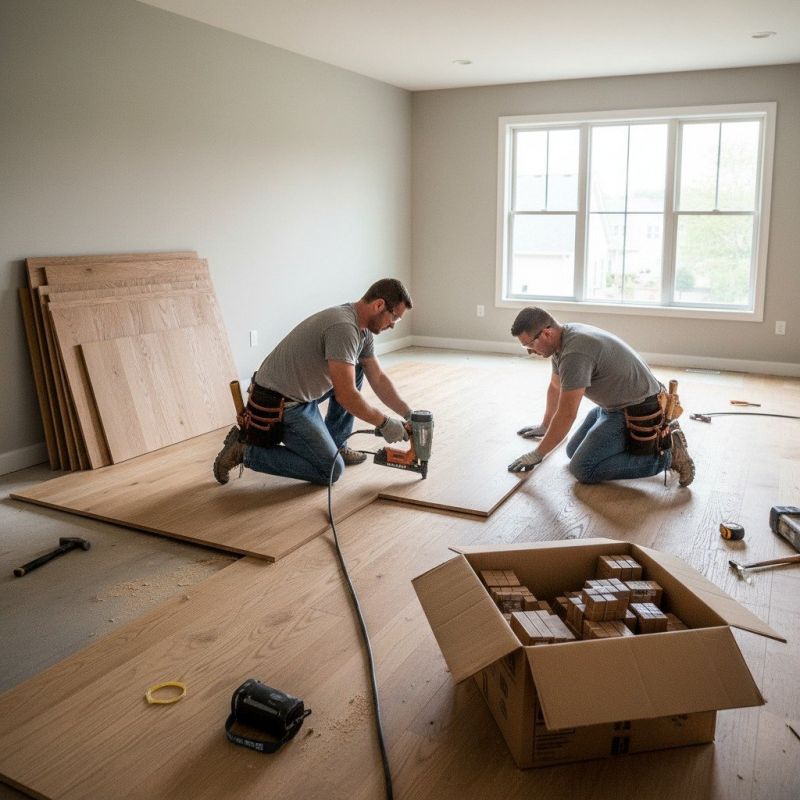
When comparing local contractors for hardwood floor installation, it is important to consider their experience with similar projects. Homeowners should inquire about how long a service provider has been working with hardwood flooring and whether they have completed projects comparable in size and complexity. An experienced contractor is more likely to be familiar with common mistakes homeowners make with DIY hardwood floor installation, such as improper subfloor preparation or incorrect acclimation of materials, which can lead to costly issues down the line. Ensuring a contractor has a proven track record with similar work can help reduce the risk of these common errors and result in a smoother installation process.
Clear written expectations are essential when evaluating local service providers. Homeowners should seek detailed estimates that outline the scope of work, materials to be used, and specific responsibilities of the contractor. This helps prevent misunderstandings that can contribute to common mistakes homeowners make with DIY hardwood floor installation, such as inconsistent finishing or gaps between planks. A reputable contractor will be transparent about what is included in the project and provide documentation that aligns with the homeowner’s expectations, fostering a shared understanding from the outset.
Reputation and communication are also key factors to consider when comparing local contractors. Checking references or reviews can offer insight into a service provider’s reliability and quality of work. Good communication ensures that homeowners can ask questions, express concerns, and receive timely updates throughout the project. This level of engagement helps identify contractors who prioritize client satisfaction and are attentive to details that can prevent typical pitfalls associated with DIY hardwood flooring, such as poor surface preparation or inadequate moisture control. Selecting a contractor with reputable references and strong communication practices can contribute significantly to a successful installation.
Property owners often search for common mistakes homeowners make with DIY hardwood floor installation when they are planning practical projects around their homes and businesses. Local pros provide Hardwood Floor Installation services for everyday jobs and straightforward project options.
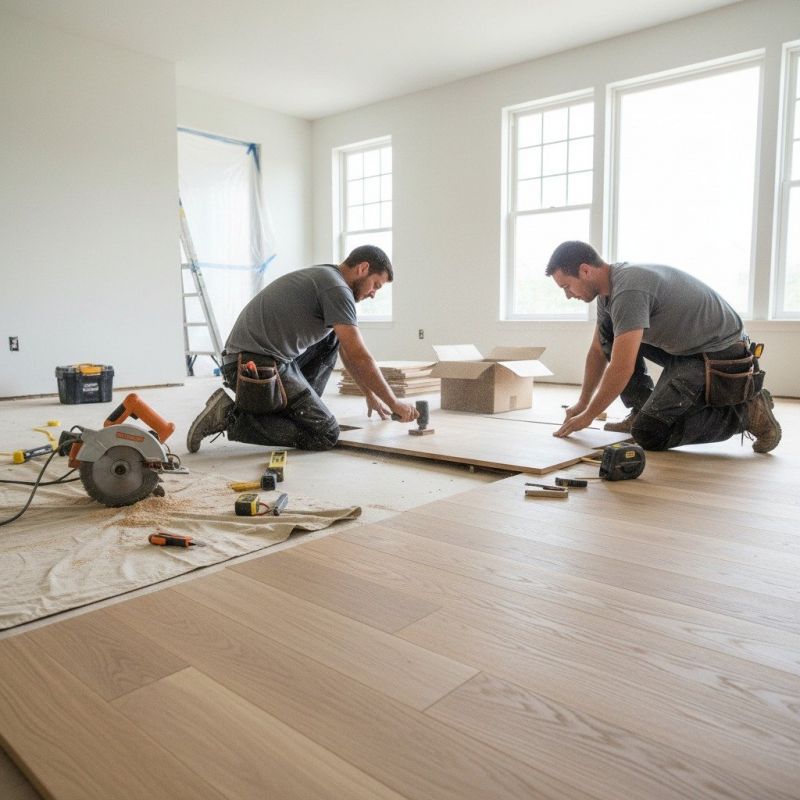
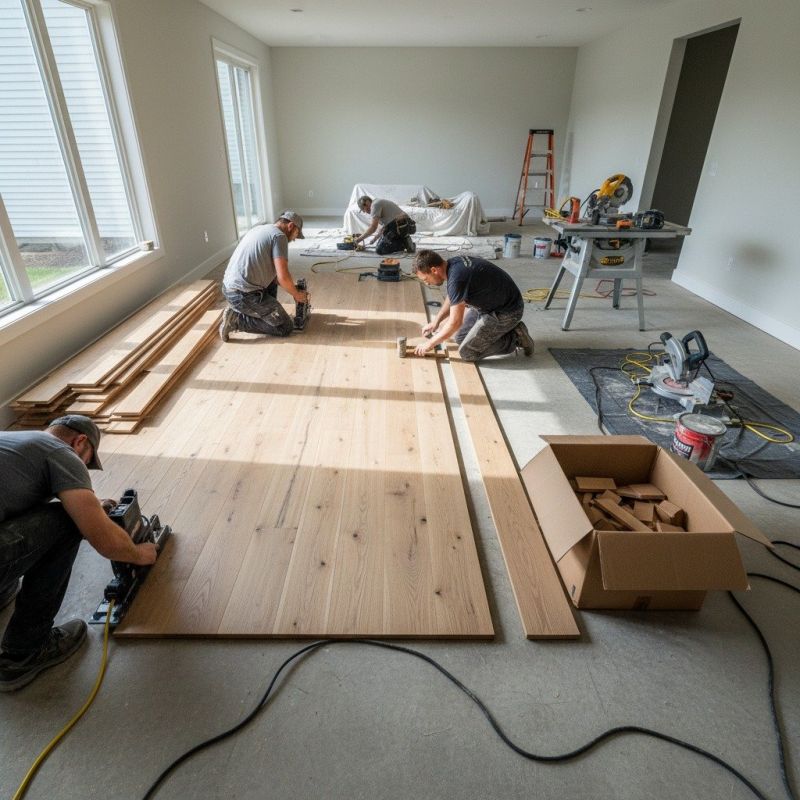
Homeowners attempting DIY hardwood floor installation often encounter common mistakes that can impact the final look and durability of their floors. One frequent issue is improper subfloor preparation, which can lead to uneven surfaces and cause the hardwood to shift or develop gaps over time. Many property owners in the area might look up this topic because they want to save money or enjoy a hands-on approach, but they may underestimate the importance of a level, clean, and dry subfloor. Turning to local contractors who specialize in hardwood installation can help ensure the foundational work is done correctly, reducing the risk of costly problems down the line.
Another common mistake involves choosing the wrong type of hardwood or failing to acclimate the wood properly before installation. This oversight can result in boards expanding or contracting after they are installed, leading to warping or gaps. Homeowners often search for guidance on these issues because they want their floors to look professional and last for years. Consulting with local service providers can provide valuable insight into the best materials for the environment and proper installation techniques, helping property owners avoid these pitfalls and achieve a polished, long-lasting result.
What is a common mistake homeowners make with DIY hardwood floor installation? Many homeowners underestimate the importance of proper subfloor preparation, which can lead to uneven surfaces and future damage. Local contractors can ensure the subfloor is correctly prepared to provide a stable foundation for the new flooring.
Why is choosing the wrong type of hardwood a mistake in DIY projects? Selecting an inappropriate hardwood species or finish without expert guidance can cause issues with durability and appearance. Service providers can recommend the best options suited to the home's environment and usage.
How does improper acclimation affect DIY hardwood floor installation? Failing to acclimate hardwood planks to the home's humidity and temperature levels can result in warping or gaps over time. Local flooring professionals typically handle acclimation to prevent these problems.
What mistake is often made during the installation process itself? Incorrectly measuring or leaving insufficient expansion gaps can cause buckling or gaps in the flooring. Experienced contractors know how to measure and install with proper spacing for long-term stability.
Why should homeowners avoid DIY finishing and staining? DIY finishing can lead to uneven coats, bubbles, or improper curing, which affect the appearance and longevity of the floor. Local service providers have the expertise to apply finishes smoothly and effectively.
Skipping proper subfloor preparation - ensuring the subfloor is clean, level, and dry helps prevent uneven surfaces and future damage, which local contractors can assist with.
Ignoring acclimation of hardwood planks - allowing flooring materials to adjust to indoor humidity and temperature conditions reduces warping and gaps, a step local service providers can handle.
Underestimating the importance of correct installation techniques - using proper nailing, gluing, and spacing methods ensures durability, and local pros have the expertise to do it right.
Neglecting to follow manufacturer guidelines - adhering to specific product instructions avoids installation issues, with local contractors familiar with various flooring brands and their requirements.
If you are thinking about common mistakes homeowners make with DIY hardwood floor installation for a property, this guide is meant to help you understand this topic, the typical project types, and how different options might fit your plans.
When you are ready, you can use the quote form on this page to share a few details about your project. From there, local pros can review the basics and follow up with options that match what you have in mind.